



B Double E Double R U N
The Most Famous Beer Run Ever Made
The Inwood neighborhood of Manhattan was an Irish American community in the 60s. On Sherman Avenue there was a local bar called Doc Fiddler’s, run by a man named George Lynch.
Everyone called him the Colonel. He had served in the Army but only advanced as a private first class. The title colonel was given to him because of his knowledge of military history and his patriotism.
Every morning, the Colonel would raise a flag on the empty lot at the corner and take it done with the same respect every evening. Memorial Day and the Fourth of July he organized parades up Sherman Avenue, always showing respect for veterans and their families.
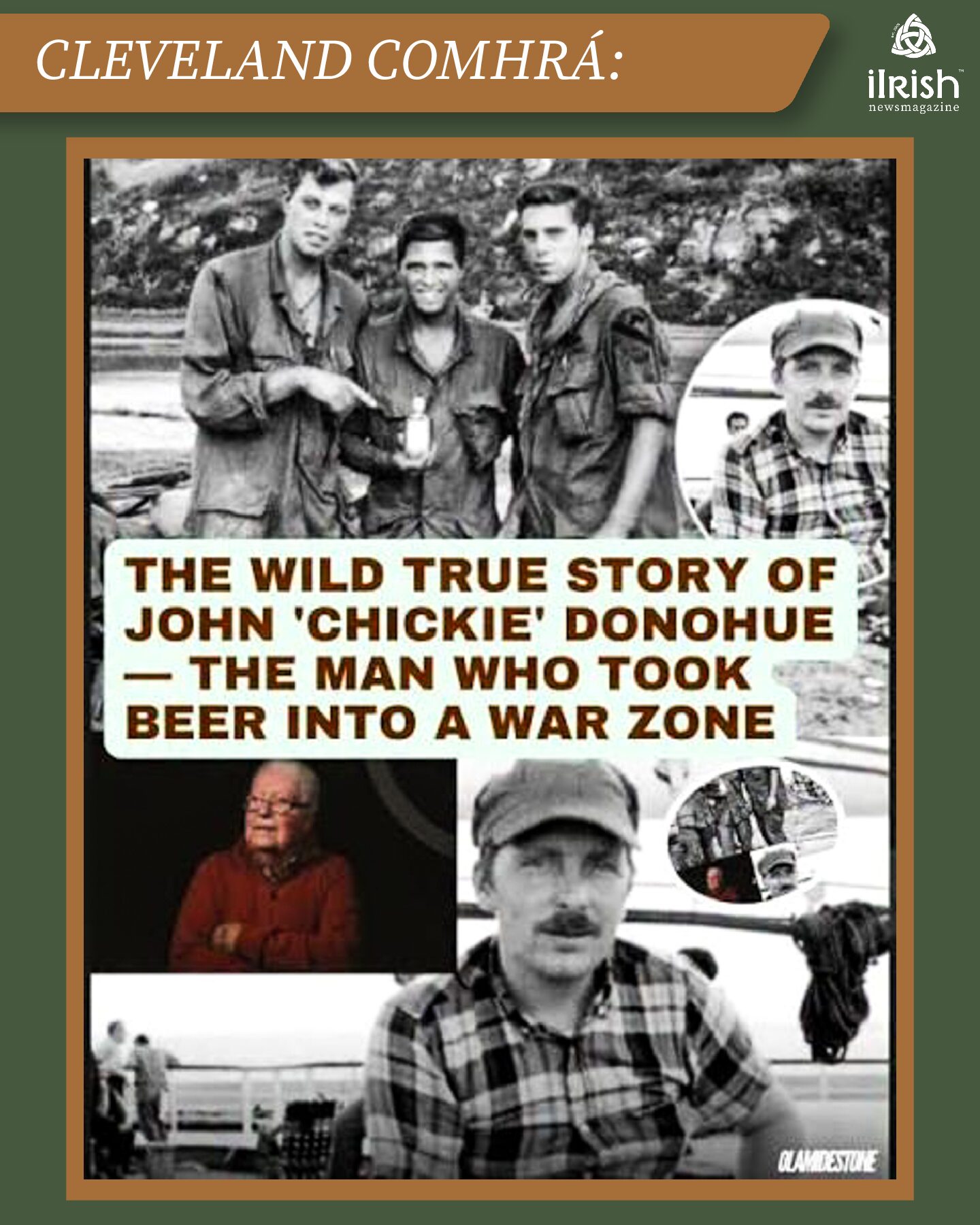
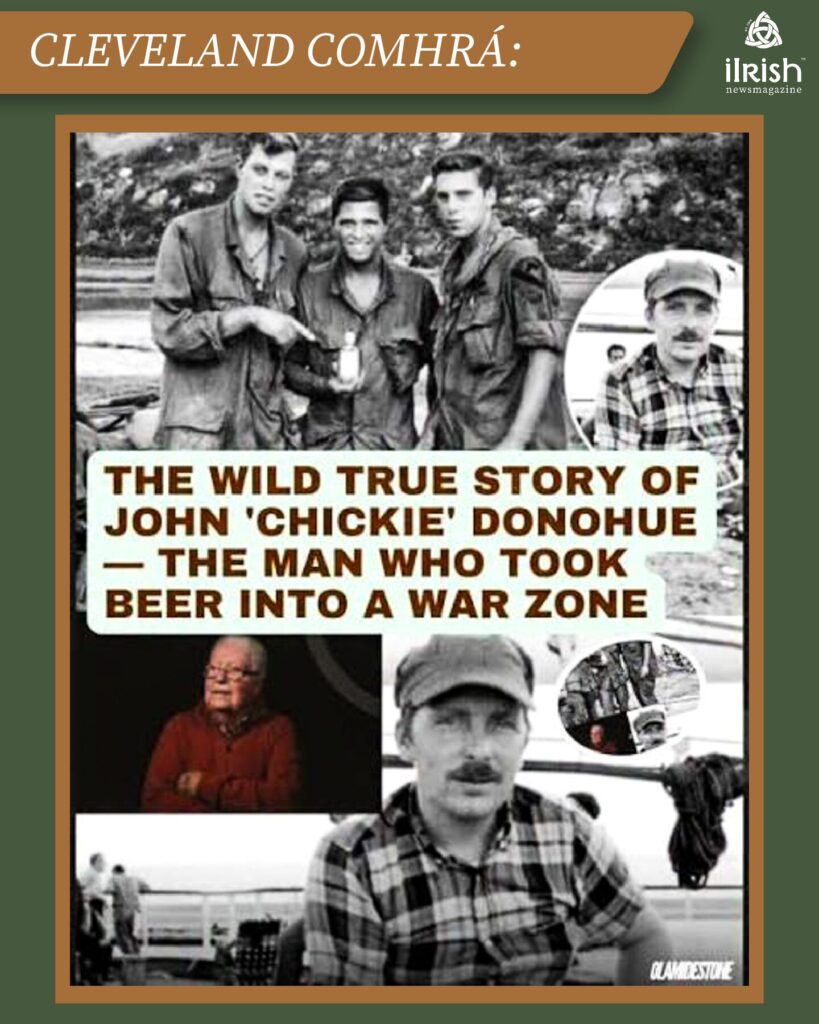
John “Chickie” Donohue was a regular at Doc Fiddler’s when he was on the “beach”, a term merchant seaman used when they were not on a ship at sea. In 1967 Chickie was twenty-six years old, a U.S. Marine veteran.
One night in November, the Colonel was behind the bar; Chickie was there with some of his buddies and the evening news was on the television behind the bar. Protests of the Vietnam War were being shown and the men were talking of the friends that were serving and those that the neighborhood had already lost.
What happened next, I easily related to, our own family was against the war in Vietnam but never against those that served. We had two family members in the military overseas.
It was the Colonel who started the conversation, thinking the media should not be covering the protests, that it was demoralizing to the men returning from active duty; others felt that everyone needed to show their support for their friends and their families serving, to let them know they were still being missed and thought of.
The Colonel said he wished he could just go there, to Vietnam and hand the boys from the neighborhood a cold beer, shake their hand and thank them for their service. That’s when Chickie spoke up, changing his life forever.
I’m Going to Vietnam
He raised his hand and said “I’ll go.” At first his buddies thought he was joking. When everyone realized he was serious, a list was made of who was there. Over the next twenty-four hours,word spread quickly through the neighborhood. Chickie was approached by friends and mothers of some of the boys there.
The next day, he went to the union hall and found that a ship, “The Drake Victory” was set to sail to Vietnam that evening. He had no time to go home; he called his mother and told her he was headed out to sea. She told him to be careful and told her he’d be home before she could say “Go raibh an ghaoth go brách ag do chúl.” May the wind be always at your back.
She laughed and that made Chickie feel good. He had just enough time to stop and buy some essentials, a razor, socks, underwear, a toothbrush and so forth. Then he filled his duffel bag with as much canned local beer that he could carry.
The Drake Victory was a munitions ship, carring ammo to Vietnam. They travelled at about thirteen knots, approximately 15 miles an hour on land. Five days later they arrived on the Atlantic side of the Panama Canal.
There they took on a canal pilot to sail the ship the forty-eight miles through the canal to the Pacific Ocean. One month later, they anchored off Qui Nhon, Vietnam.
The unloading of any cargo ship took time, anywhere from four to six days. Chickie thought he could track down the men on his list in three days, providing the captain would give him leave.
He had worked double shifts for most of the voyage and had his shifts covered by the other men. Permission was granted, but with a warning, be back in 72 hours or the ship will sail.
Chickie stepped into the port city wearing the only clothes that he had, light colored faded jeans and a plaid button down shirt. He stood out, to say the least.
The first friend on his list was Tommy Collins, an MP, who was assigned to guard the ships in Qui Nhon ports from “sappers,” enemy commandos who tried to attach explosives to the cargo ships docked there.
As he walked down away from the ship, he spotted two MP’s and asked if they knew Tommy. To his shock, they said they did and were actually on their way to relieve him. When Chickie saw Tommy he yelled out “hey Collins”.
His friends reaction was understandable, “What the hell are you doing here?!”Chickie pulled a beer from his pack and handed it to him saying it was from the Colonel and everyone back home.
A night of drinking with Tommy and his companions ensued, but was interrupted when a lieutenant burst in demanding to know what was going on. When he spotted Chickie he asked who the hell he was and what was he doing there.
Chickie didn’t lie, he told him he brought his buddy a beer from back home. The lieutenant looked at him for a second, then said, “carry on,” and walked out.
The CIA
They all looked at one another, until one soldier said, “Don’t you get it, he thinks Chickie’s CIA. Look at the way he’s dressed, like he’s going golfing or something.”
Letting officers and military personal draw that conclusion worked well for Chickie; iit got him military transport up north to find another young man from the neighborhood. But this was Vietnam, in the north he found himself in the same foxhole as his friend as their perimeter was being breached. That night he experienced the war first hand.
He needed to get back to his ship, time was running out. He arrived one day late to find the Drake Victory had left the day before and was halfway to Manila. The captain had left word that if Chickie made it back, he could catch up with the ship there.
As a merchant seaman, Chickie did not need a passport, he had his seaman’s card, but without a ship, that didn’t mean a thing. He needed an exit visa from Vietnam, something he could only obtain with a U.S. passport. He made his way to the embassy and filled out paperwork and was told to return the next day.
Tét Offensive
Vietnamese New Year or Tét is celebrated on the first day of the lunar calendar, somewhere between late January and mid February. A cease-fire had been negotiated between the U.S. and North Vietnam, and President Johnson was using the cease-fire to show the American people that the U.S. military was in full control of the war. The NVA had other ideas.
What became known as the Tét Offensive, had the NVA attack the city of Saigon with over 80,000 regulars and hit targets all over South Vietnam. The walls of the U.S. Embassy were breached and the embassy overrun with enemy soldiers. Only two Marines had been stationed there to guard the building and despite their valiant efforts they were overcome.
By the following morning, after Chickie spent a harrowing night dodging enemy fire and absolute chaos, U.S. forces had retaken the embassy and Saigon. The war in Vietnam was not ending, but escalating.
Chickie made it out and returned to Inwood. He was welcomed as a “hero” when he returned to Doc Fiddler’s, but he was a changed man. The men he had visited made it home as well and the group have remained close.
The Greatest Beer Run Ever was written by John “Chickie” Donohue and JT Molloy. It was the basis for the movie of the same name that was released in 2022.