


Breathe New Life into Immaculate Conception
The first thing I noticed on Sunday was the parking lot. The small lot at Immaculate Conception Oratory was stuffed full of cars, and the adjacent streets were lined as well.
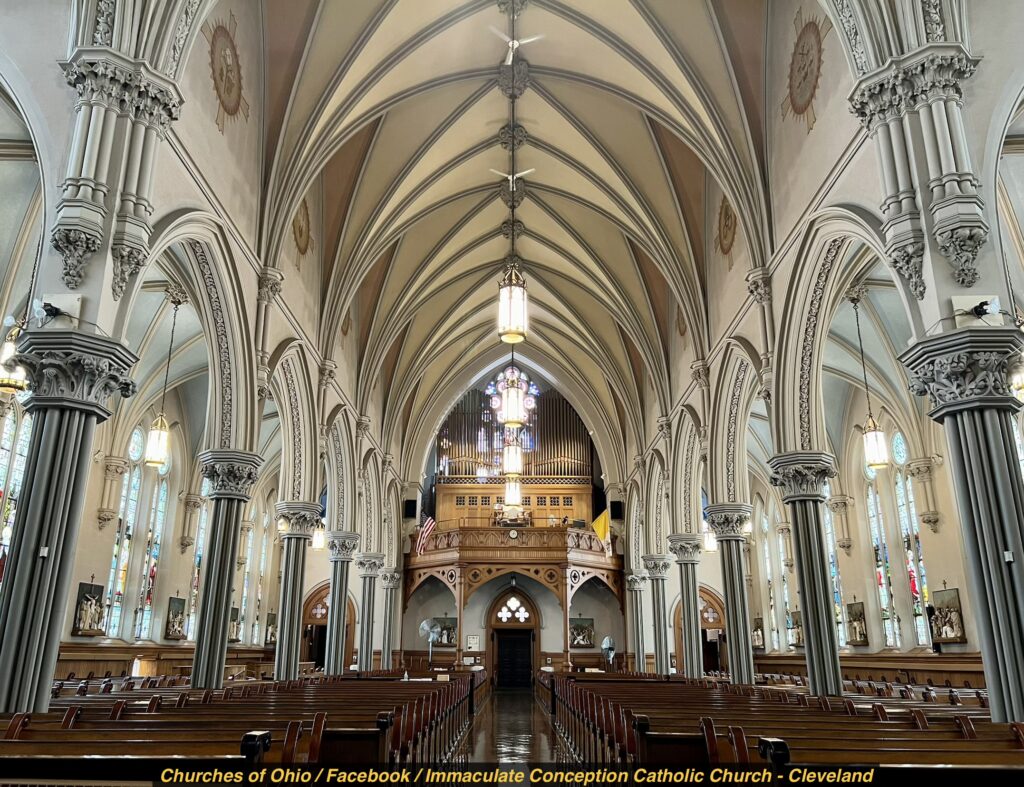
On a regular Sunday, the church on Superior Avenue was rather full. There were young families, older parishioners, children, men in coats, women in veils, and people of all ages settling into the church.
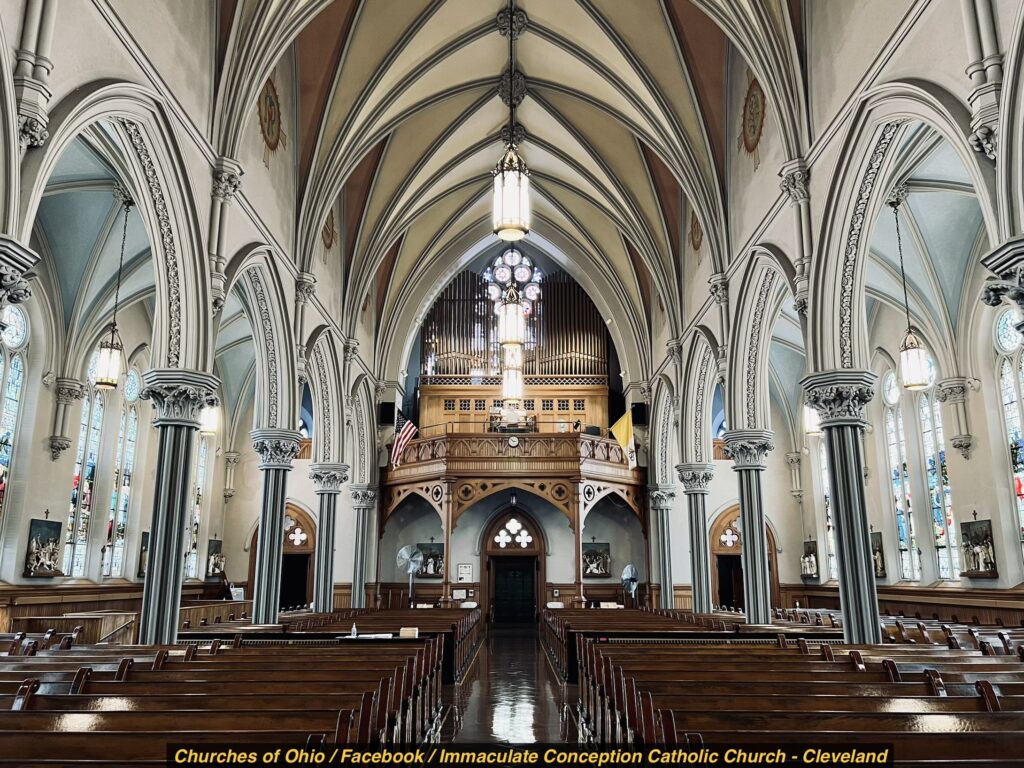
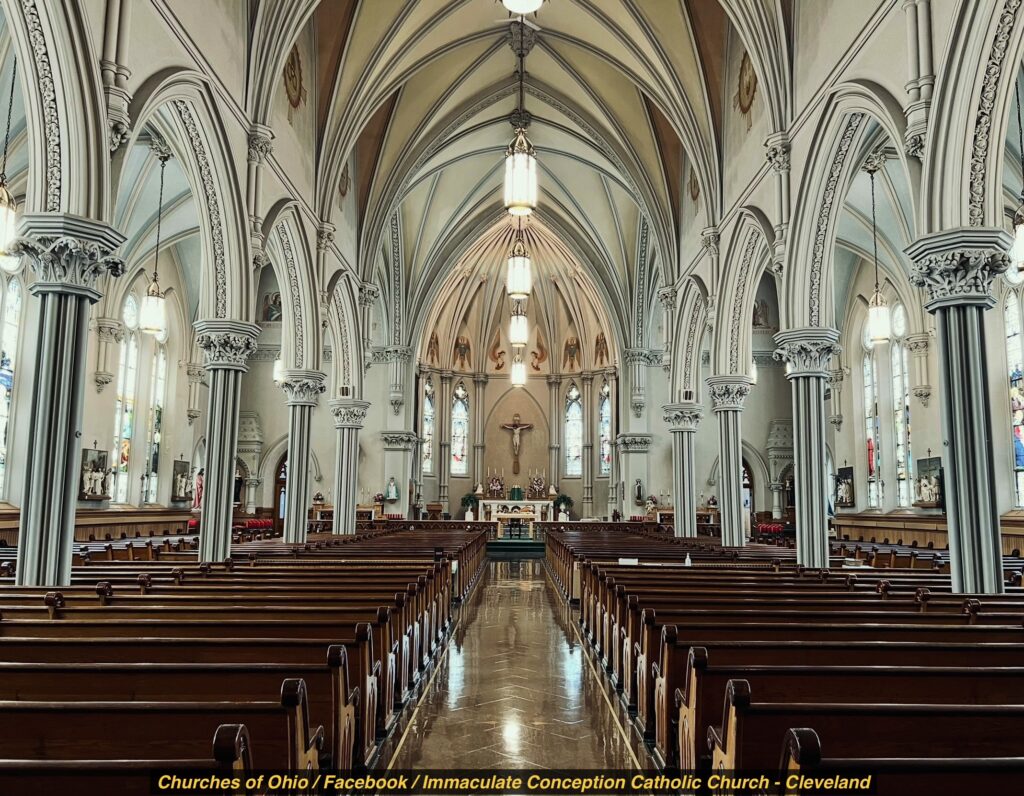
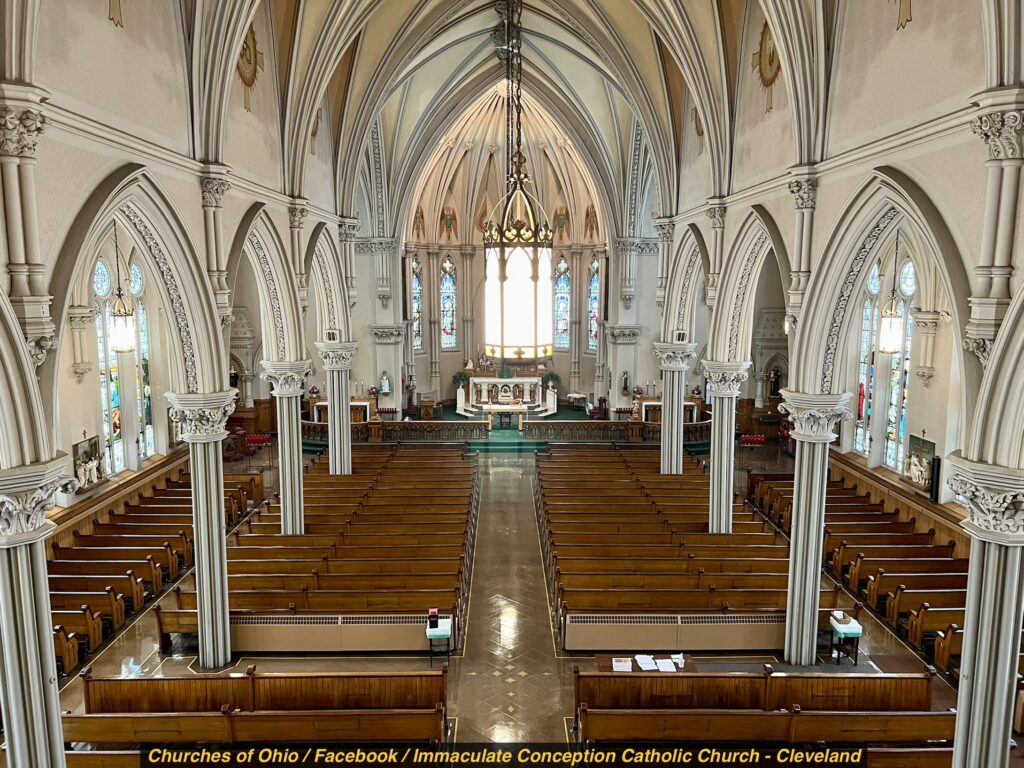
For anyone who has worried about the future of the Mac, that scene felt important. This is not the same Immaculate Conception that generations of Cleveland Irish families knew. But it is a new chapter, and one thing was immediately clear: the church is not sitting empty; it is alive.

That new life has come through the Institute of Christ the King Sovereign Priest, whose Cleveland apostolate moved from St. Elizabeth to the newly established Immaculate Conception Oratory. The Institute’s official Cleveland page says that beginning June 1, all of its Masses, ceremonies, and apostolate would be held at Immaculate Conception, with Sunday Masses at 8:00 and 10:30, weekday Masses through the week, confessions a half hour before Mass, and a Saturday evening English vigil Mass.
So what is the Institute of Christ the King? In plain English, it is a Catholic priestly society devoted to the traditional Latin Mass and to building Catholic life around the Church’s older liturgical, musical, artistic, and spiritual traditions.
In an email exchange, rector Canon James Hoogerwerf described its mission as spreading the reign of Christ in every sphere of life by drawing from the treasury of the Catholic Church, especially her liturgical tradition; the spiritual thought of St. Francis de Sales; and her cultural patrimony in music, art, and architecture.
That description is important because it helps explain why the Institute feels different from a parish that simply happens to offer one Latin Mass a week. The older liturgy is not one feature of its life; It is the center of it.
Oratory
Canon Hoogerwerf also explained what it means for Immaculate Conception to become an oratory. A parish has a defined territory and a pastor responsible for the people living within those boundaries. An oratory does not work that way. It is a church set aside for a particular spiritual purpose.
In this case, Immaculate Conception Oratory is meant to serve the people of the Diocese of Cleveland, especially those attached to the Latin Mass. That means the Mac is no longer what it was historically: a territorial parish with a deeply Irish identity. But it does mean the church itself has entered a real and hopeful next stage.


Mass in Latin
And that brings us to the Mass. For most Catholics today, “Mass” means the form they have known all their lives: usually in English, with the prayers and readings easily heard, people making spoken responses throughout, hymnals or missals in the pews, and the priest facing the congregation for much of the liturgy. The traditional Latin Mass is different, not just because it is in Latin, but because it moves with a different rhythm and spirit.
Before Sunday’s Mass began, the rosary was prayed aloud half an hour beforehand. A long confession line had already formed and kept moving even after Mass started. There were no books in the pews. At first I thought most people had brought their own Bibles, but I learned that they were missals so they could follow the prayers and readings.
This Mass was quieter than what many Catholics are used to. There was no music that Sunday, since it was a Low Mass rather than a sung High Mass.
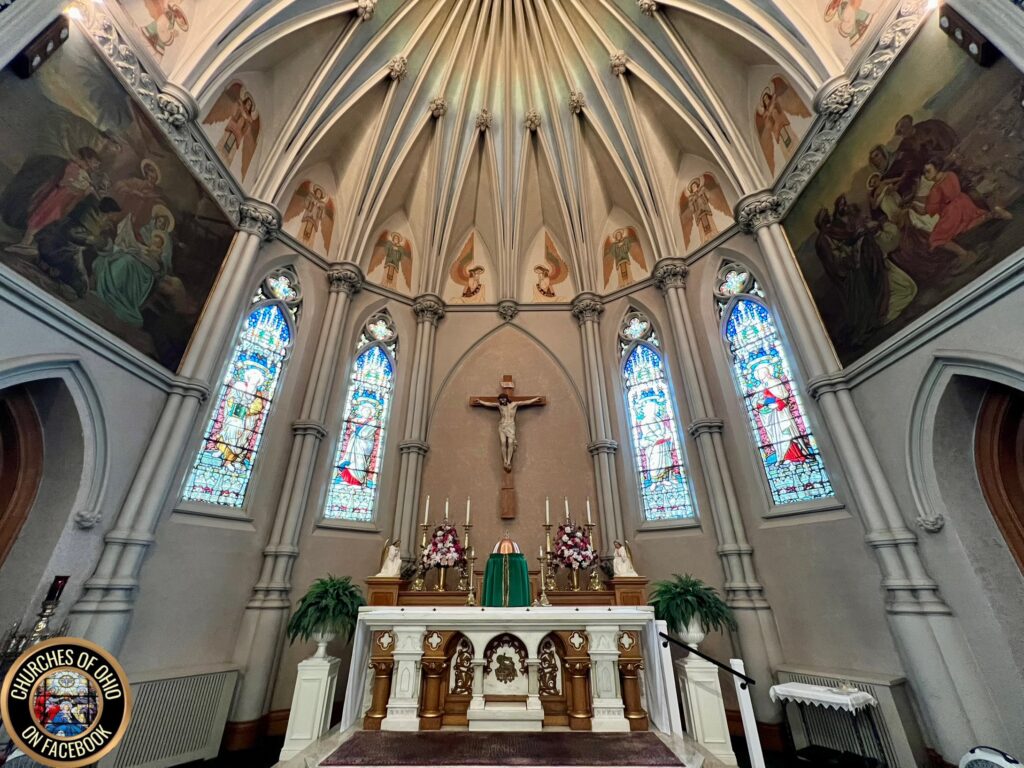
People knelt much more. The priest faced the altar for much of the liturgy, though he turned toward the people for the readings and homily. Five altar boys served. Bells rang. People crossed themselves often.
The congregation made few spoken responses until just before Communion, when the priest turned and presented the Eucharist. Communion was received at the rail, with people kneeling side by side as the priest moved back and forth before them.
To someone unfamiliar with it, that may sound foreign. But it did not feel cold. It felt focused. The gestures were deliberate.
The quiet felt intentional. The whole thing carried a sense that worship was not being improvised, explained, or made casual. It was being handed on.
That is part of the appeal. For some, the traditional Latin Mass offers beauty. For others, reverence. For others still, continuity with generations who worshipped this way before them.
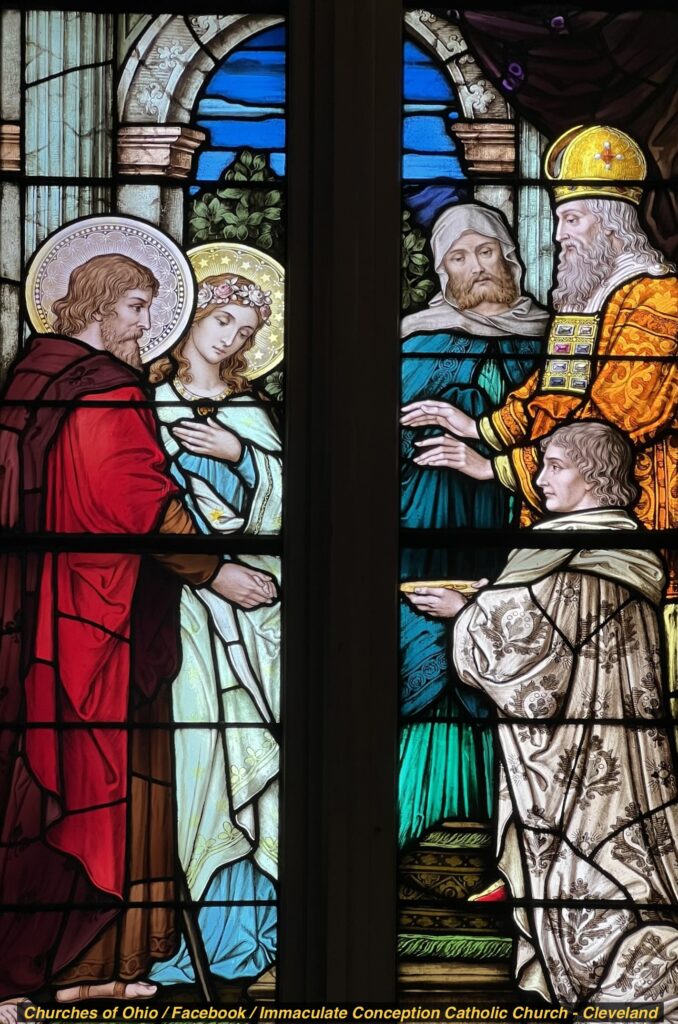
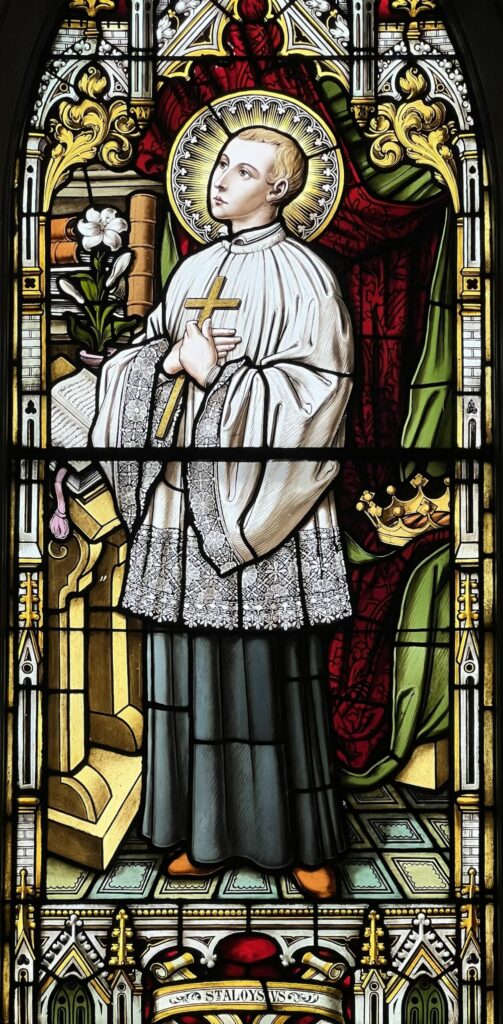
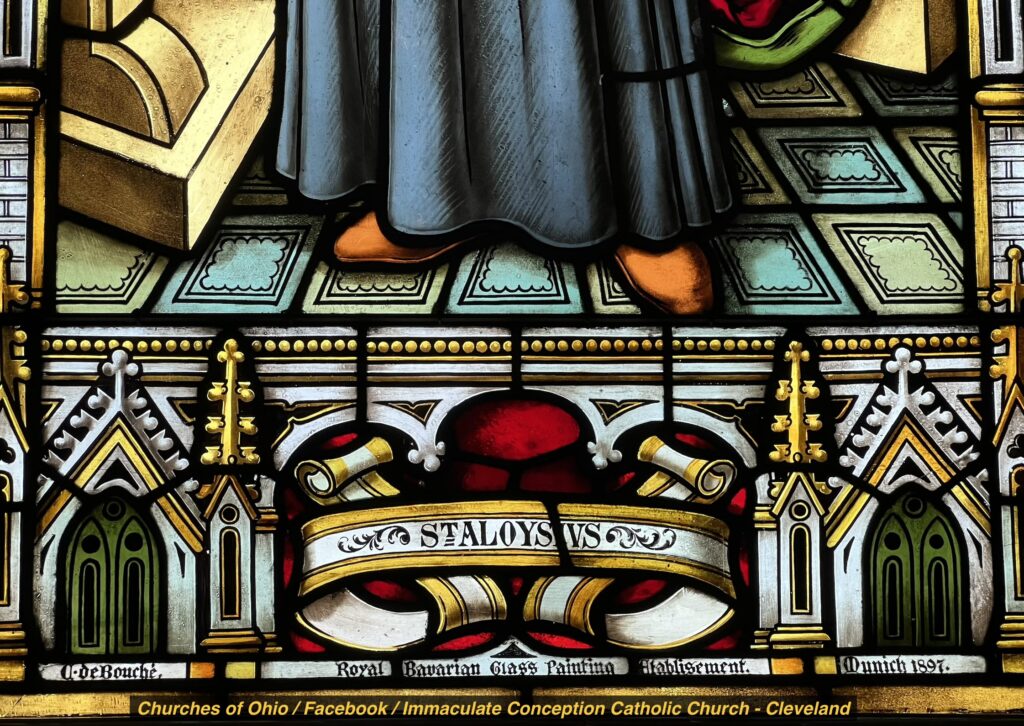
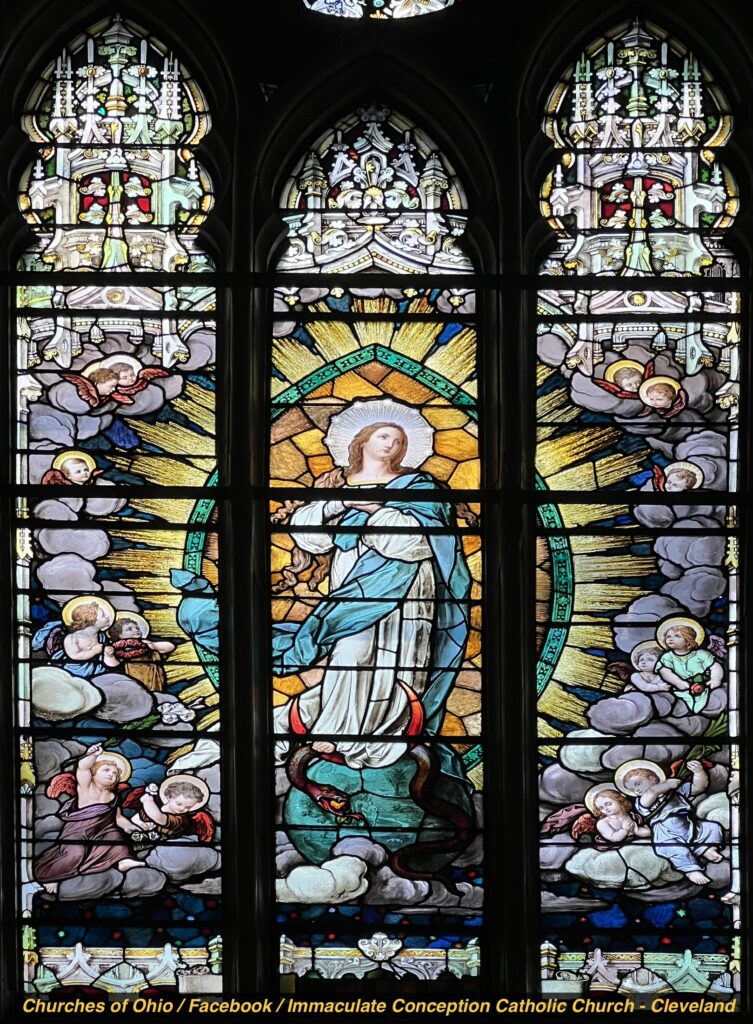
Canon Hoogerwerf told me he hopes the Institute’s presence will “breathe new life into Immaculate Conception,” especially for young people and families drawn to the beauty of the Latin Mass, while also serving those who had long loved the church before this transition. That hope did not feel abstract on Sunday. It was visible in the full pews.
In Part One last month, (https://iirish.us/2026/07/28/cleveland-irish-9/) we explored the Mac as a church steeped in Cleveland Irish memory: the old sacramental books full of Mc and Mac names, the stories of parishioners and pastors, the Ursuline school, the Thorpe Club, the sense that this church had belonged to generations of east-side Catholics.
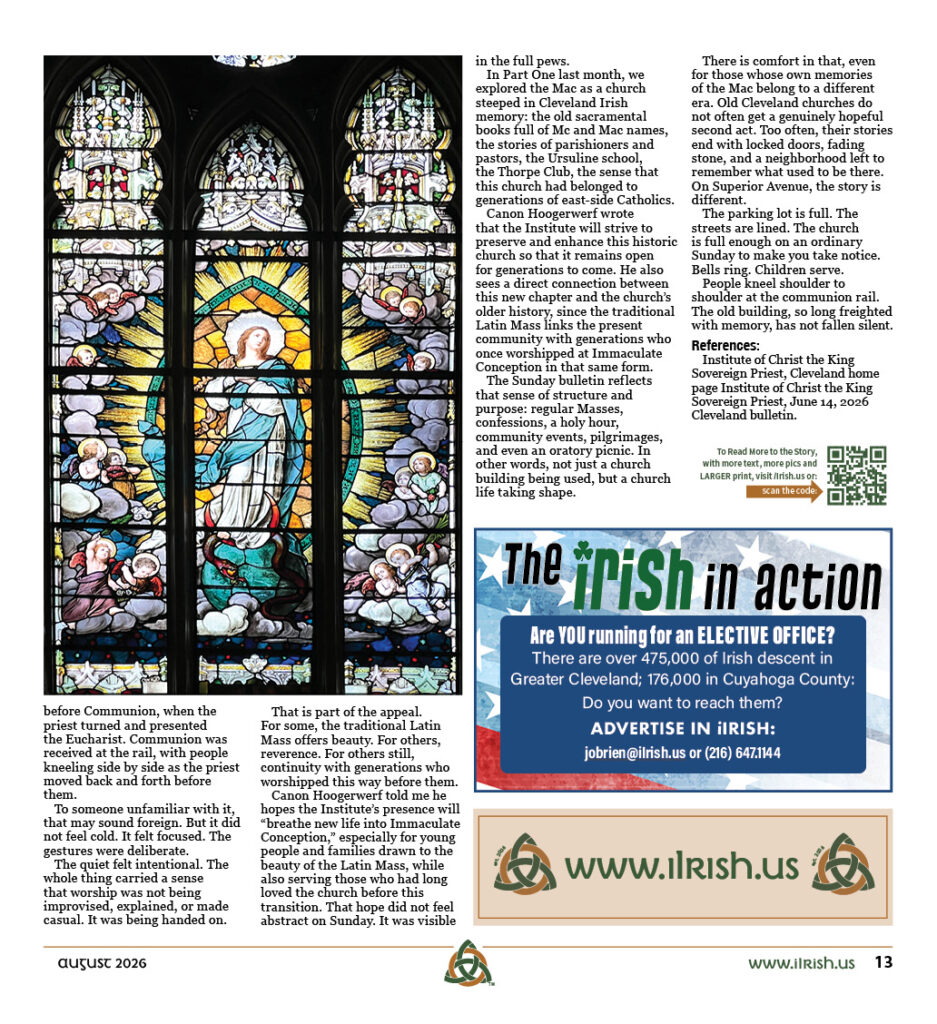
Canon Hoogerwerf wrote that the Institute will strive to preserve and enhance this historic church so that it remains open for generations to come. He also sees a direct connection between this new chapter and the church’s older history, since the traditional Latin Mass links the present community with generations who once worshipped at Immaculate Conception in that same form.
The Sunday bulletin reflects that sense of structure and purpose: regular Masses, confessions, a holy hour, community events, pilgrimages, and even an oratory picnic. In other words, not just a church building being used, but a church life taking shape.
There is comfort in that, even for those whose own memories of the Mac belong to a different era. Old Cleveland churches do not often get a genuinely hopeful second act. Too often, their stories end with locked doors, fading stone, and a neighborhood left to remember what used to be there. On Superior Avenue, the story is different.
The parking lot is full. The streets are lined. The church is full enough on an ordinary Sunday to make you take notice. Bells ring. Children serve.
People kneel shoulder to shoulder at the communion rail. The old building, so long freighted with memory, has not fallen silent.
References:
- Institute of Christ the King Sovereign Priest, Cleveland home page
- Institute of Christ the King Sovereign Priest, June 14, 2026 Cleveland bulletin.