


A Letter from Ireland
a Chara,
I am home in Ireland after a trip to New York and Pittsburgh.
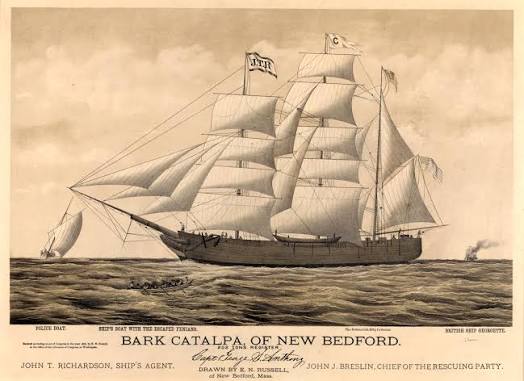
At Calvary Cemetery, at the graveside of John Breslin, Clan na Gael laid a wreath with flowers from Friends of Sinn Féin in the USA and Australia. Breslin had been central to the Catalpa escape of six Fenian prisoners from jail in Western Australia to freedom in New York. The escapees returned to New York 150 years earlier, to the day.
In Pittsburgh, we remembered the 1981 Hunger Strikers with a Mass followed by songs and speeches.
It is right to remember the past, to learn from it and to honour all of those who came before us. The past is never really the past; it shapes today and tomorrow. The movement for Irish sovereignty, democracy, and Unity is a continuous struggle across different times, generations, and tactics.
Before the Catapla escape, the Fenian movement in America was split and in disarray. The failed invasions of Canada (yes, the Irish in America attempted it first) weakened not the British but the Fenians. The success of the Catapla escape five years later re-energised the movement in America and in Ireland. The Fenians were crucial in funding and organising the 1916 Rising.
The Rising would, in turn, inspire a generation in 1969 to rebel in the North of Ireland. In 1917, Thomas Ashe, one of the leaders of the Rising outside of Dublin, died on a hunger strike demanding to be treated as a political prisoner whom the British had designated as a criminal. His actions, and those of generations of hunger strikers, led to Long Kesh and the cell doors of Bobby Sands and his comrades, who demanded recognition as political prisoners.
Outside, the Hunger Strikes demonstrated the injustice of British Government policy in Ireland, increased support for the Irish Republican cause, and opened up the potential of electoral politics.
Inside the gaol at the end of the Hunger Strike, the prisoners had not achieved all five demands that constituted political status. Former Hunger Striker Laurence McKeown and fellow prisoners have written about this period in their biographies; it was a time of reflection and strategic development.
After years of the blanket and wash protest and the death of 10 comrades, not all of their demands were met. The question was not whether to give up, but what next. Their struggle would continue, but using new tactics.
One demand was that as political prisoners they should not be forced to work in the prison workshops. The prisoners’ leaders changed tactics and directed prisoners who had been confined to their cells for years to go to the workshops, share intelligence with other prisoners, gather materials that might be useful later, and disrupt the workshops.
Within a year and a half, the prisoners led the largest prison breakout in British penal history. The British dropped the demand that prisoners had to attend the workshops.
The strategic thinking developed after the hunger strike would meet new opportunities outside and inform Sinn Féin’s peace strategy. We have a generation at peace; Sinn Féin is the largest party across the island; and dysfunction in the Northern Assembly lays bare the failure of partition.
The past is never really the past; we are the product of all that came before us. From prison protests to escapes to the peace process. Irish Republicanism has been at its most popular since 1917; we have a peaceful, democratic pathway to Unity, and most parties are calling for planning and preparing for it.
With your support, like the Fenians before you, we can write the next chapter in our history.
Is mise,
Have a great weekend,