


A Letter from Ireland
a Chara,
August in Ireland is the peak holiday season. Institutions are in recess, and people’s minds are elsewhere. Yet last weekend was one of the most politically significant of my lifetime.
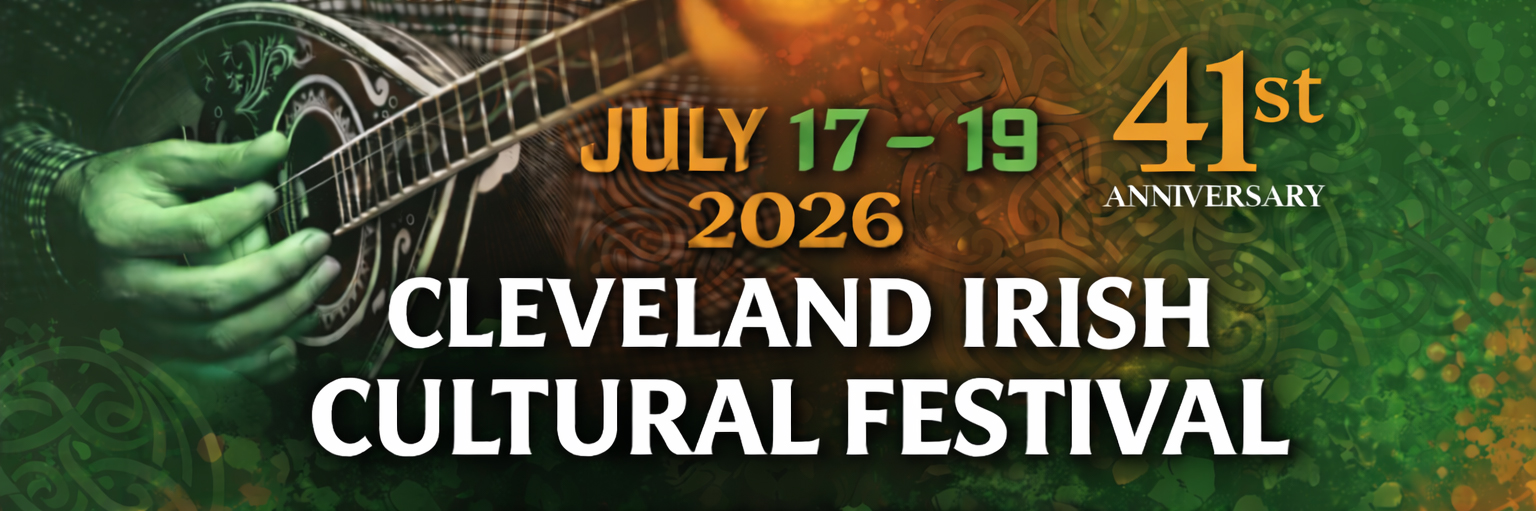
Fleadh Cheoil na hÉireann was held in Belfast. This is a festival of Irish music, dance and culture. The Fleadh is centred around competitions and draws Irish musicians and dancers from across Ireland and internationally. Outside of competitions, there are gigs, impromptu music sessions, and classes.
Previously, Wexford held the attendance record at 750,000. Over the week in Belfast, an estimated 1.6 million people attended. Because of work commitments, I could only go on Saturday. I had been to other Fleadhs before, but nothing prepared me for what I saw.
There were all forms of Irish music, everywhere, and I mean everywhere. Kids busking, sessions in pop-up bars, dancers taking over the streets, a Ceili in the grounds of City Hall. GAA jerseys from counties across Ireland and clubs across the world. Unionist marching bands shared stages with Irish Traditional musicians and dancers. It was a joyous celebration to which all were invited.
The city centre was fully pedestrianised and lined with stalls. The grounds of St. Anne’s Church of Ireland and St. Mary’s Catholic Church were opened to Fleadh goers. The Belfast that I grew up in was gone and all the better for it.
I would never have considered wearing a GAA jersey into Belfast city centre in the 1980s as it would have set you up for harassment at the hands of the RUC and attack by unionists. Máirtín Ó Muilleoir, then a Sinn Féin Councillor, was ejected from the council chamber for the crime of speaking Irish.
In the early 1990s, I, along with others, tried to mark St. Patrick’s Day with an open-air music session. We had identified a location, secured sponsorship and enlisted musicians. The event was cancelled as the then Unionist council refused an entertainment licence.
August 1993 was the first time an Irish republican protest march was allowed into the City Centre. The theme of the march was “Our City Also”. That evening, unionist paramilitaries shot up the house of Sinn Féin Councillor Bobby Lavery, killing his son Sean. The message was clear: there would be no place for Irish republicans, citizens and our culture in the capital of British Unionism.
Since then, a generation has grown up in peace. Campaign by campaign, the city has gradually become more shared. This change was not inevitable; it was won through sustained struggle. Sinn Féin became the largest party, while unionists lost their overall majority.
I spent the first hour walking through the crowds, taking it all in, and thinking of how far we have travelled. Belfast is now a shared city. Irish Republicans have never sought dominance over or the subjection of others; our experience as Irish citizens living in a British Unionist State knows that approach only leads to division and conflict.
It is said that where culture leads, politics follows. We have come far but have further to travel. Last week demonstrates a vision of a new and united Ireland. One that is home for all who share our land.
Have a great weekend,