




By Bennett Burke * pro.usa@gaa.ie
Nuacht, March 2026
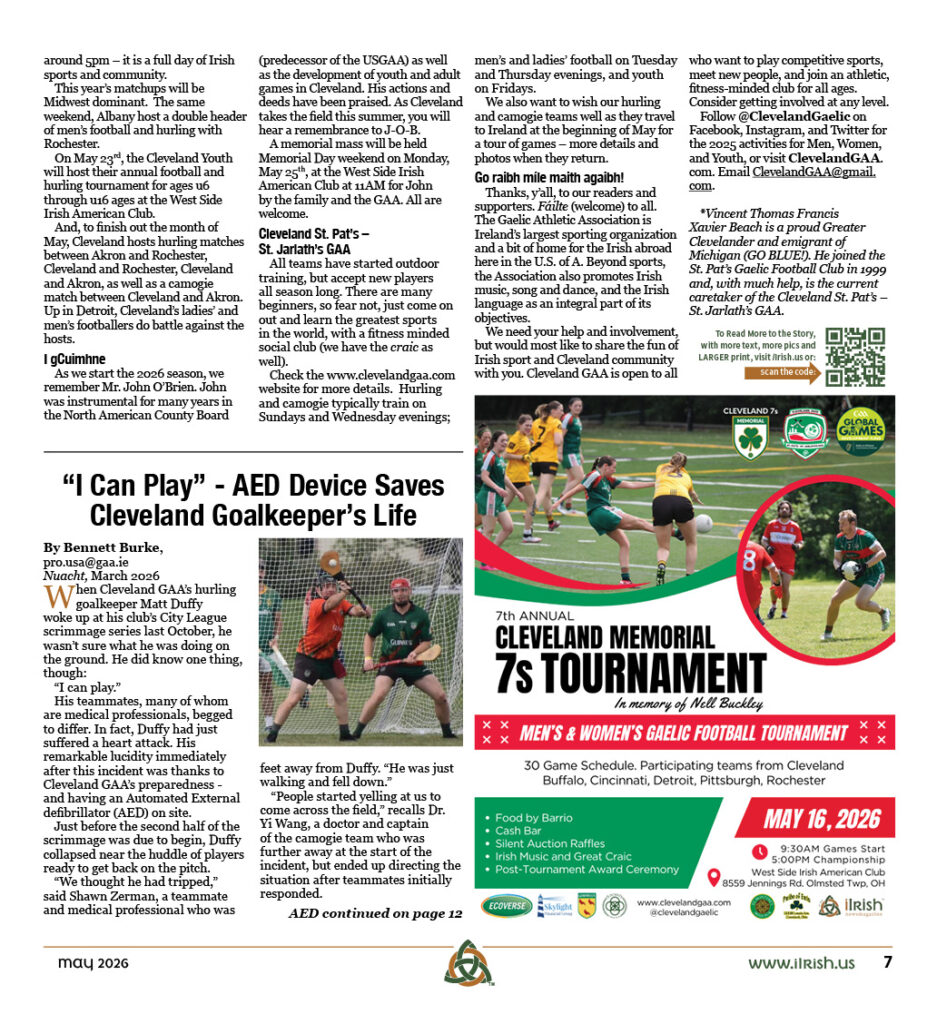
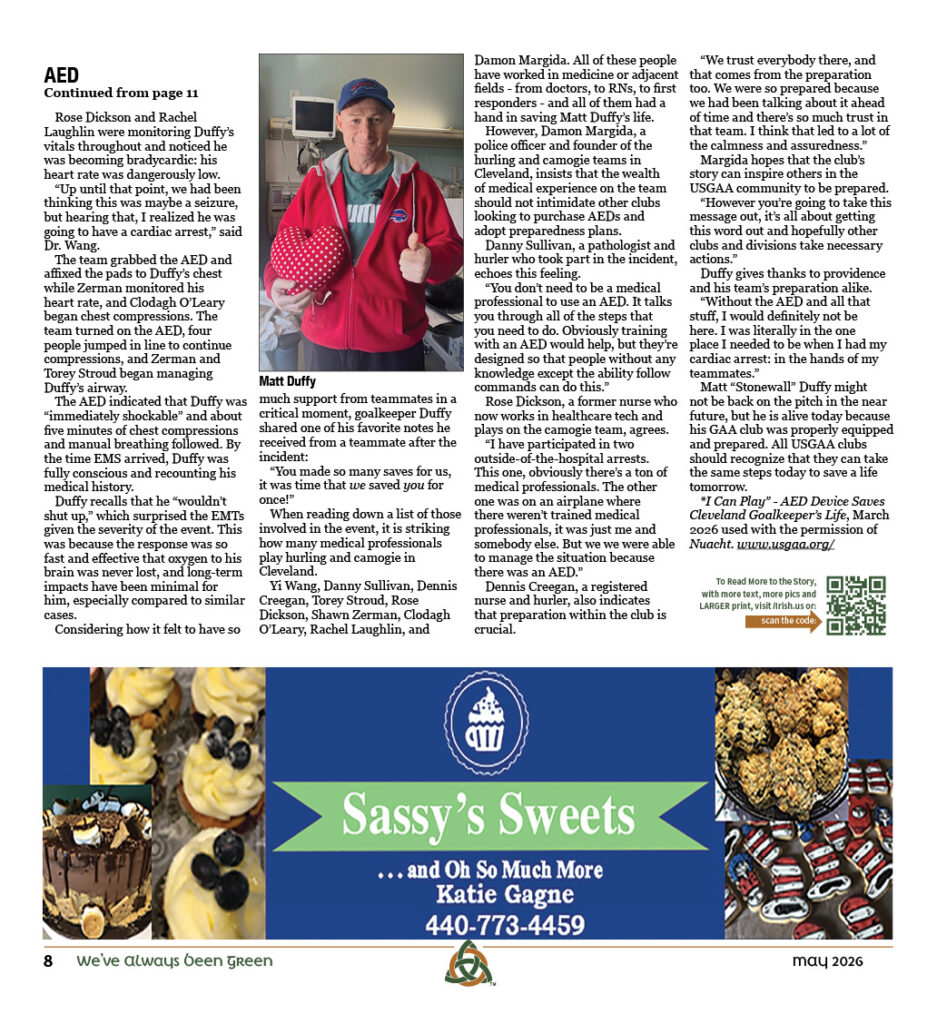
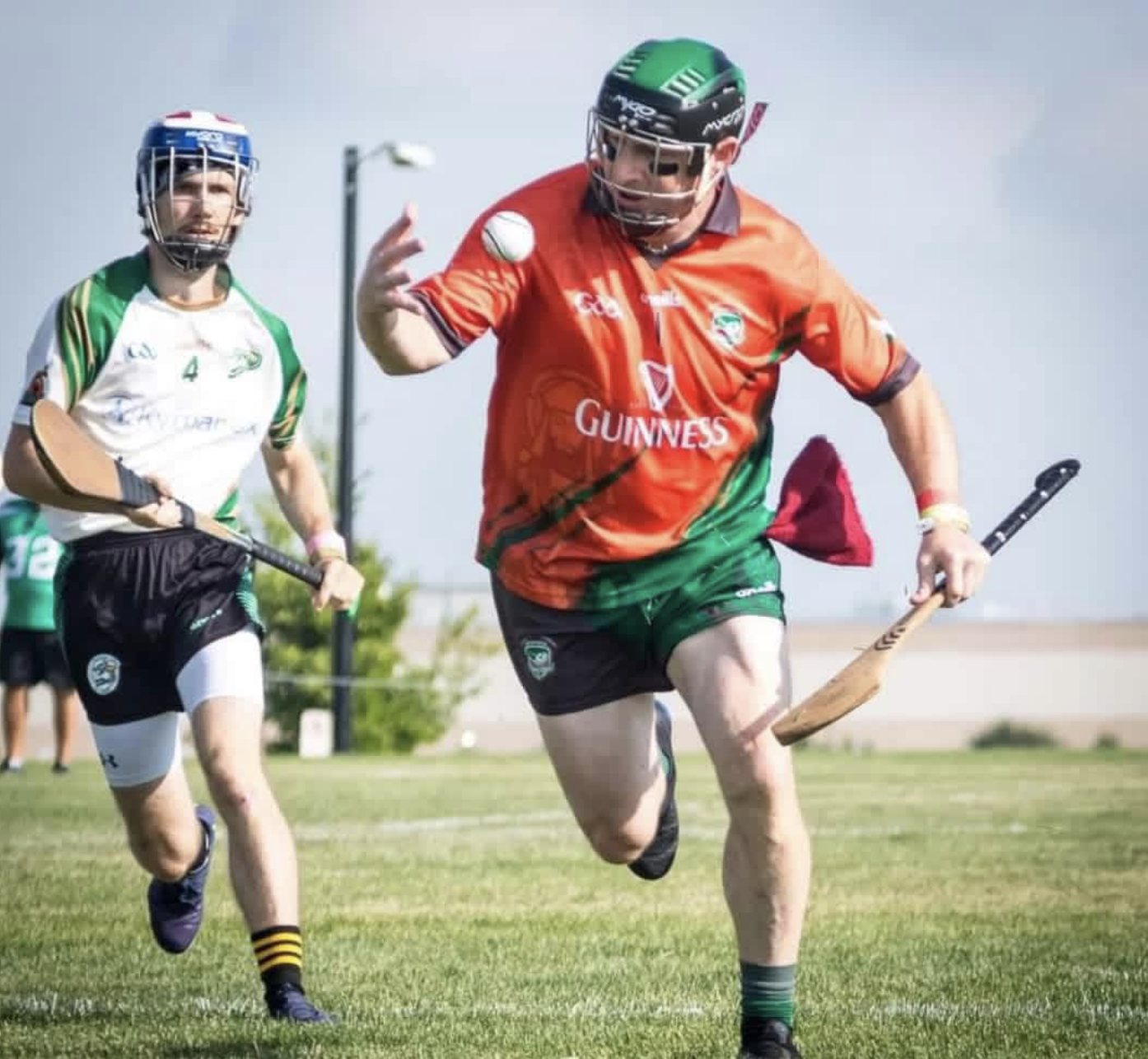
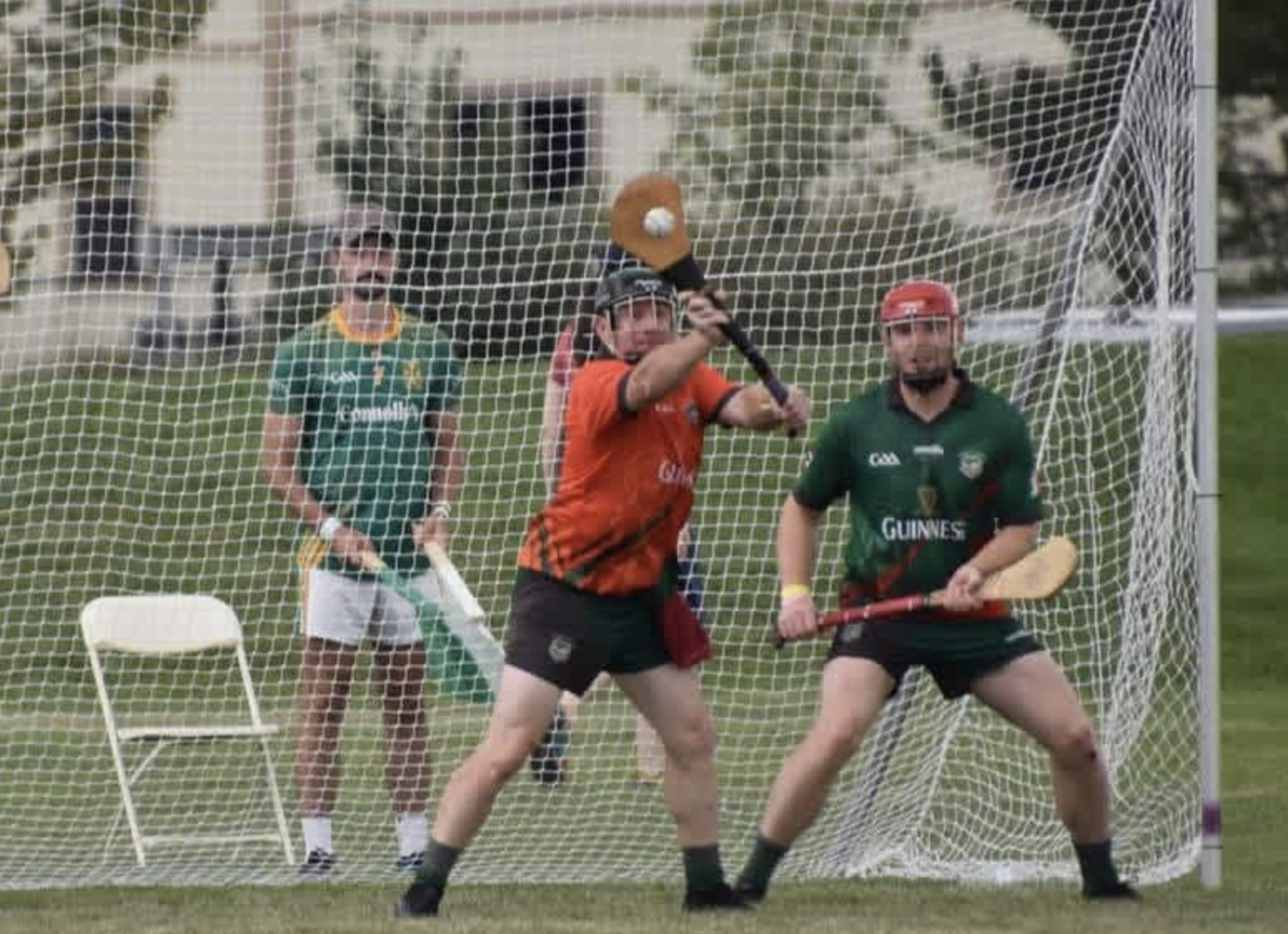
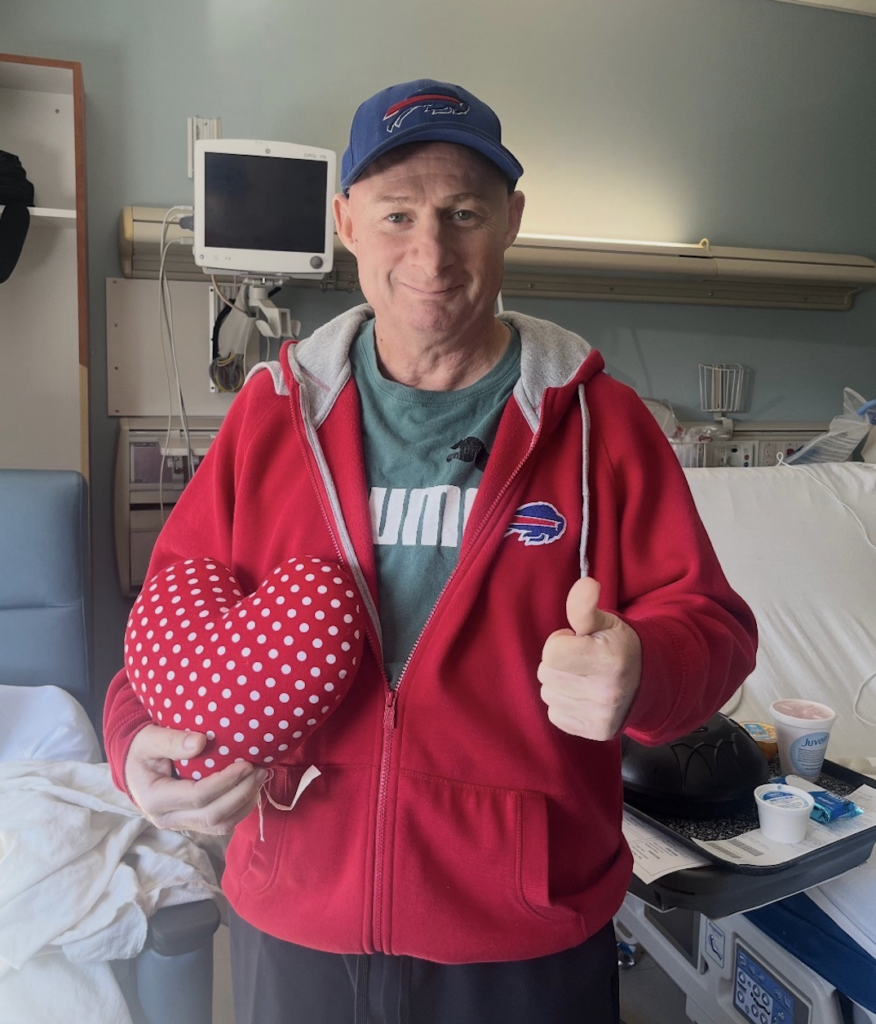
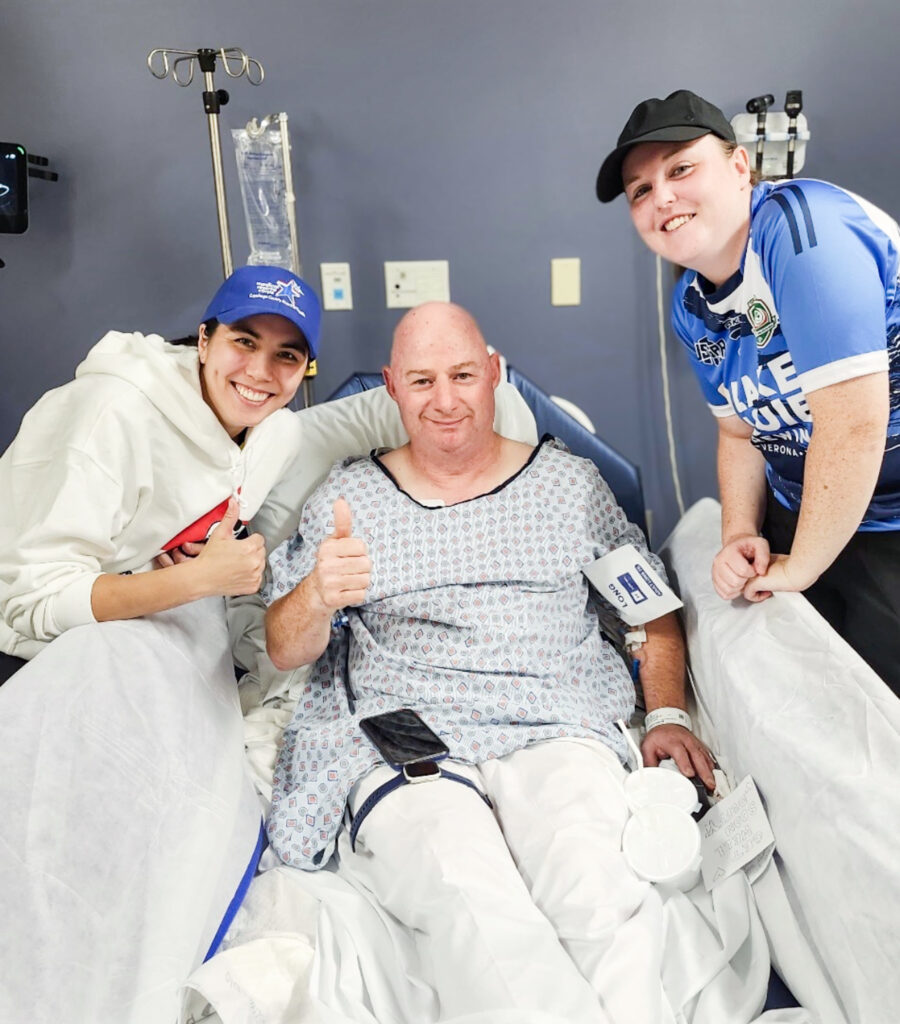
When Cleveland GAA’s hurling goalkeeper Matt Duffy woke up at his club’s City League scrimmage series last October, he wasn’t sure what he was doing on the ground. He did know one thing, though:
“I can play.”
His teammates, many of whom are medical professionals, begged to differ. In fact, Duffy had just suffered a heart attack. His remarkable lucidity immediately after this incident was thanks to Cleveland GAA’s preparedness – and having an Automated External Defibrillator (AED) on site.
Just before the second half of the scrimmage was due to begin, Duffy collapsed near the huddle of players ready to get back on the pitch.
“We thought he had tripped,” said Shawn Zerman, a teammate and medical professional who was feet away from Duffy. “He was just walking and fell down.”
“People started yelling at us to come across the field,” recalls Dr. Yi Wang, a doctor and captain of the camogie team who was further away at the start of the incident, but ended up directing the situation after teammates initially responded.
Rose Dickson and Rachel Laughlin were monitoring Duffy’s vitals throughout and noticed he was becoming bradycardic: his heart rate was dangerously low.
“Up until that point, we had been thinking this was maybe a seizure, but hearing that, I realized he was going to have a cardiac arrest,” said Dr. Wang.
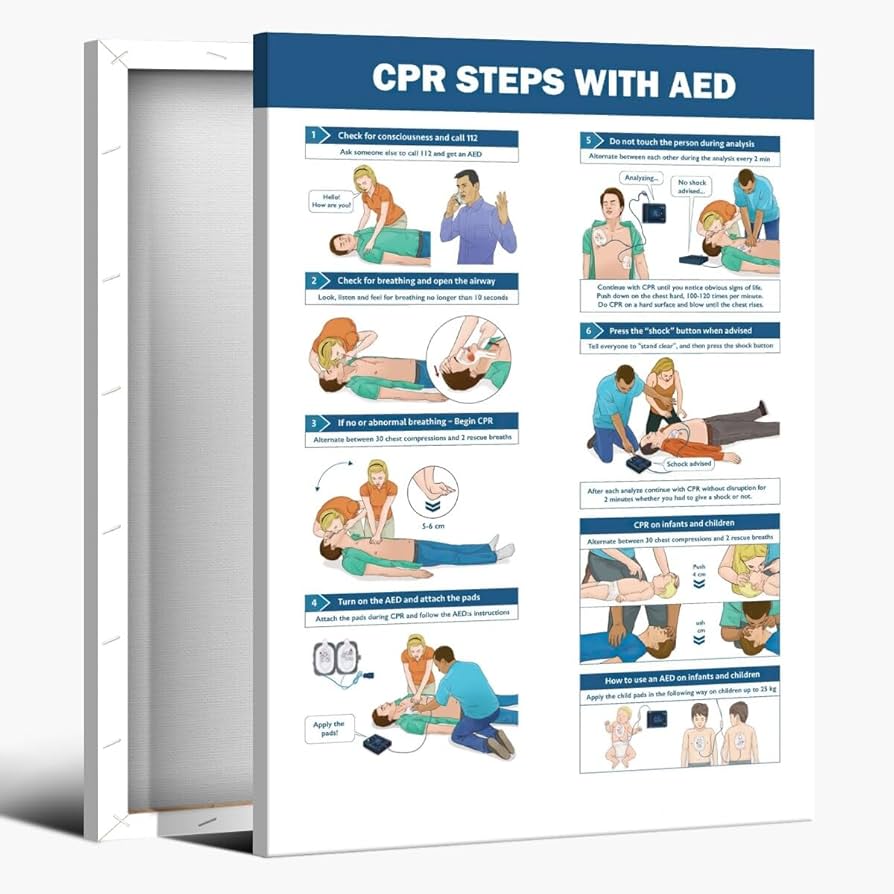
The team grabbed the AED and affixed the pads to Duffy’s chest while Zerman monitored his heart rate, and Clodagh O’Leary began chest compressions. The team turned on the AED, four people jumped in line to continue compressions, and Zerman and Torey Stroud began managing Duffy’s airway.
The AED indicated that Duffy was “immediately shockable” and about five minutes of chest compressions and manual breathing followed. By the time EMS arrived, Duffy was fully conscious and recounting his medical history.
Duffy recalls that he “wouldn’t shut up,” which surprised the EMTs given the severity of the event. This was because the response was so fast and effective that oxygen to his brain was never lost, and long-term impacts have been minimal for him, especially compared to similar cases.
Considering how it felt to have so much support from teammates in a critical moment, goalkeeper Duffy shared one of his favorite notes he received from a teammate after the incident:
“You made so many saves for us, it was time that we saved you for once!”
When reading down a list of those involved in the event, it is striking how many medical professionals play hurling and camogie in Cleveland. Yi Wang, Danny Sullivan, Dennis Creegan, Torey Stroud, Rose Dickson, Shawn Zerman, Clodagh O’Leary, Rachel Laughlin, and Damon Margida. All of these people have worked in medicine or adjacent fields – from doctors, to RNs, to first responders – and all of them had a hand in saving Matt Duffy’s life.
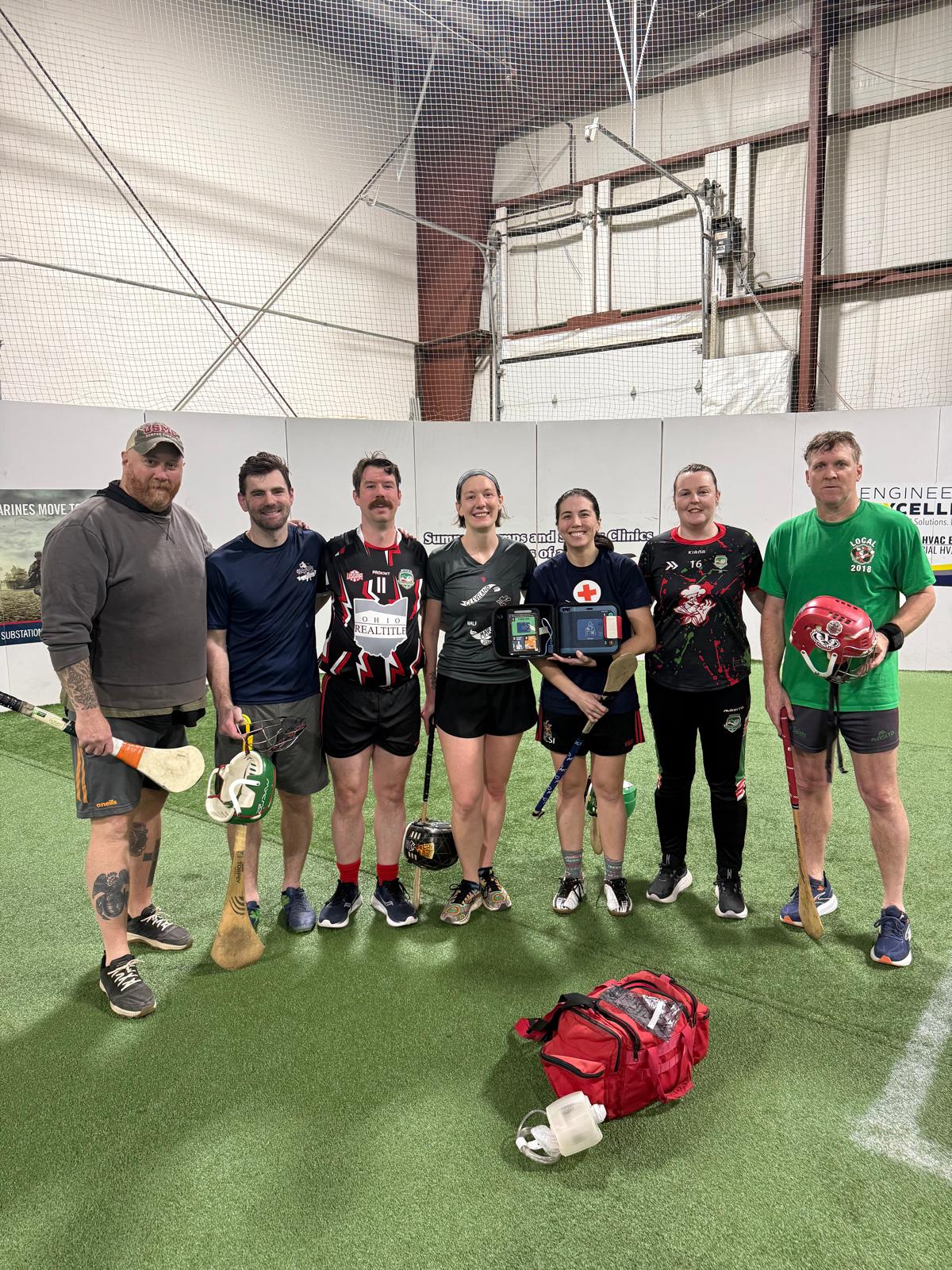
However, Damon Margida, a police officer and founder of the hurling and camogie teams in Cleveland, insists that the wealth of medical experience on the team should not intimidate other clubs looking to purchase AEDs and adopt preparedness plans.
Danny Sullivan, a pathologist and hurler who took part in the incident, echoes this feeling:
“You don’t need to be a medical professional to use an AED. It talks you through all of the steps that you need to do. Obviously training with an AED would help, but they’re designed so that people without any knowledge except the ability follow commands can do this.”
Rose Dickson, a former nurse who now works in healthcare tech and plays on the camogie team, agrees: “I have participated in two outside-of-the-hospital arrests. This one, obviously there’s a ton of medical professionals. The other one was on an airplane where there weren’t trained medical professionals, it was just me and somebody else. But we we were able to manage the situation because there was an AED.”
and Great Courage


Dennis Creegan, a registered nurse and hurler, also indicates that preparation within the club is crucial: “We trust everybody there, and that comes from the preparation too. We were so prepared because we had been talking about it ahead of time and there’s so much trust in that team. I think that led to a lot of the calmness and assuredness.”
Margida hopes that the club’s story can inspire others in the USGAA community to be prepared: “However you’re going to take this message out, it’s all about getting this word out and hopefully other clubs and divisions take necessary actions.”
Duffy gives thanks to providence and his team’s preparation alike:
“Without the AED and all that stuff, I would definitely not be here.
I was literally in the one place I needed to be when I had my cardiac arrest:
in the hands of my teammates.”
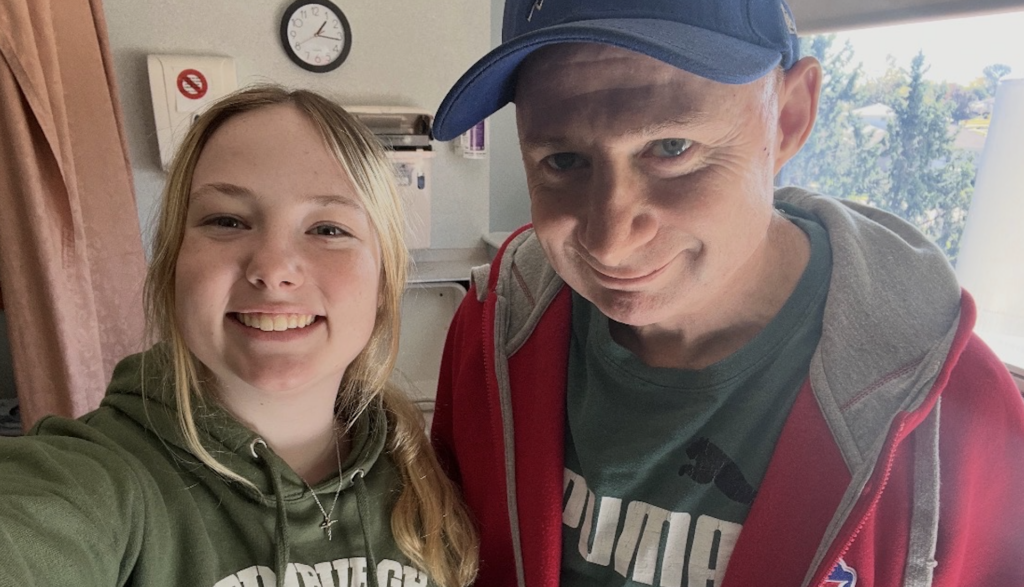
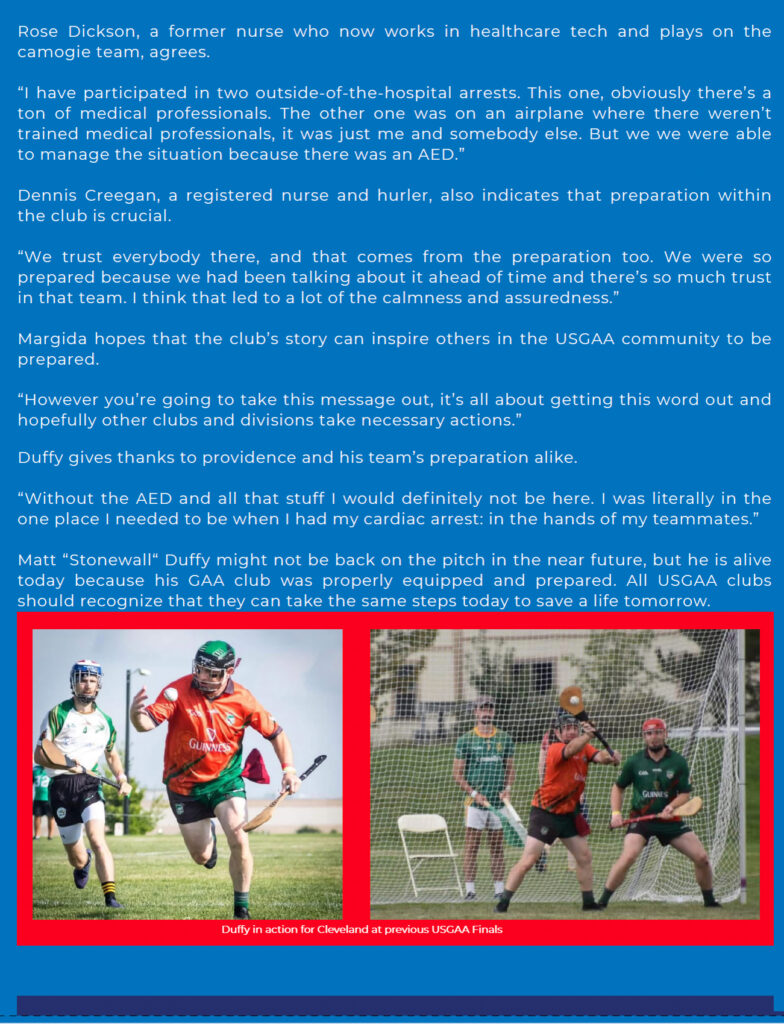
Matt “Stonewall” Duffy might not be back on the pitch in the near future, but he is alive today because his GAA club was properly equipped and prepared. All USGAA clubs should recognize that they can take the same steps today to save a life tomorrow.

*I Can Play” – AED Device Saves Cleveland Goalkeeper’s Life, Nuacht, March 2026, used with the permission of Nuacht. www.usgaa.org/
“I strongly encourage everyone to consider getting CPR and AED training. It takes just a few hours every couple of years to learn how to save a life. Nearly half a million people in the US suffer a cardiac arrest every year, and more than 350,000 of these occur outside of a hospital.
“Receiving CPR can triple a person’s chances of surviving a cardiac arrest, and the skills you learn in CPR training may be the skills you use to save a teammate, coworker, or loved one someday. Less than half of those who suffer a cardiac arrest outside of the hospital receive bystander CPR, often due to lack of training or people being unsure if they should start CPR – if a person is not conscious, not breathing, and you are not sure if a pulse is present, err on the side of starting CPR, or fear of legal repercussions
“Ohio has robust Good Samaritan laws that protect rescuers providing aid in emergencies acting in good faith, so I would encourage people to get training and feel empowered to start CPR and use AEDs for cardiac arrests.”
– Dr. Yi Wang
*Statistics are from the American Heart Association