


Modern Green Season now kicks off February 1 and runs through St. Patrick’s Day festivities and Irish American month. Since 2023, the Republic of Ireland recognizes February 1 (or the nearest working day) as a national (or bank) holiday, thanks to both Saint Brigid and Imbolc. These celebrations represent hundreds, even thousands, of years of spiritual history for those of Irish and Celtic culture. Here is a look at how Columbus keeps those traditions alive.
Brigid
So much great work has occurred recently to spread knowledge of the religious, spiritual icon, Brigid. Our Blowin’ In columnist Susan Mangan wrote about the beautiful intertwining of St. Brigid, the Catholic Saint from Kildare, with the Celtic deity Brigid (or Bríd), and the seasonal festival Imbolc in her January, 2025 column, titled “Blowin’ In: Milk and Fire.”
Another great discussion on that mixing point between Christianity and whatever religious beliefs existed in Ireland before its introduction happened in Maynooth University’s, The Medieval Irish History Podcast, titled “Ireland and the Roman Empire,” which first aired on March 1, 2024.
The legacies of Bríd, St. Brigid, and Imbolc are celebrated in the Spirit of Brigid Festival in Kildare, an annual multi-week event across County Kildare, which also began in 2023. Our Pittsburgh Irish column last year highlighted that city’s Brigid Festival, which expands this year to a two-week event starting January 17, 2026.
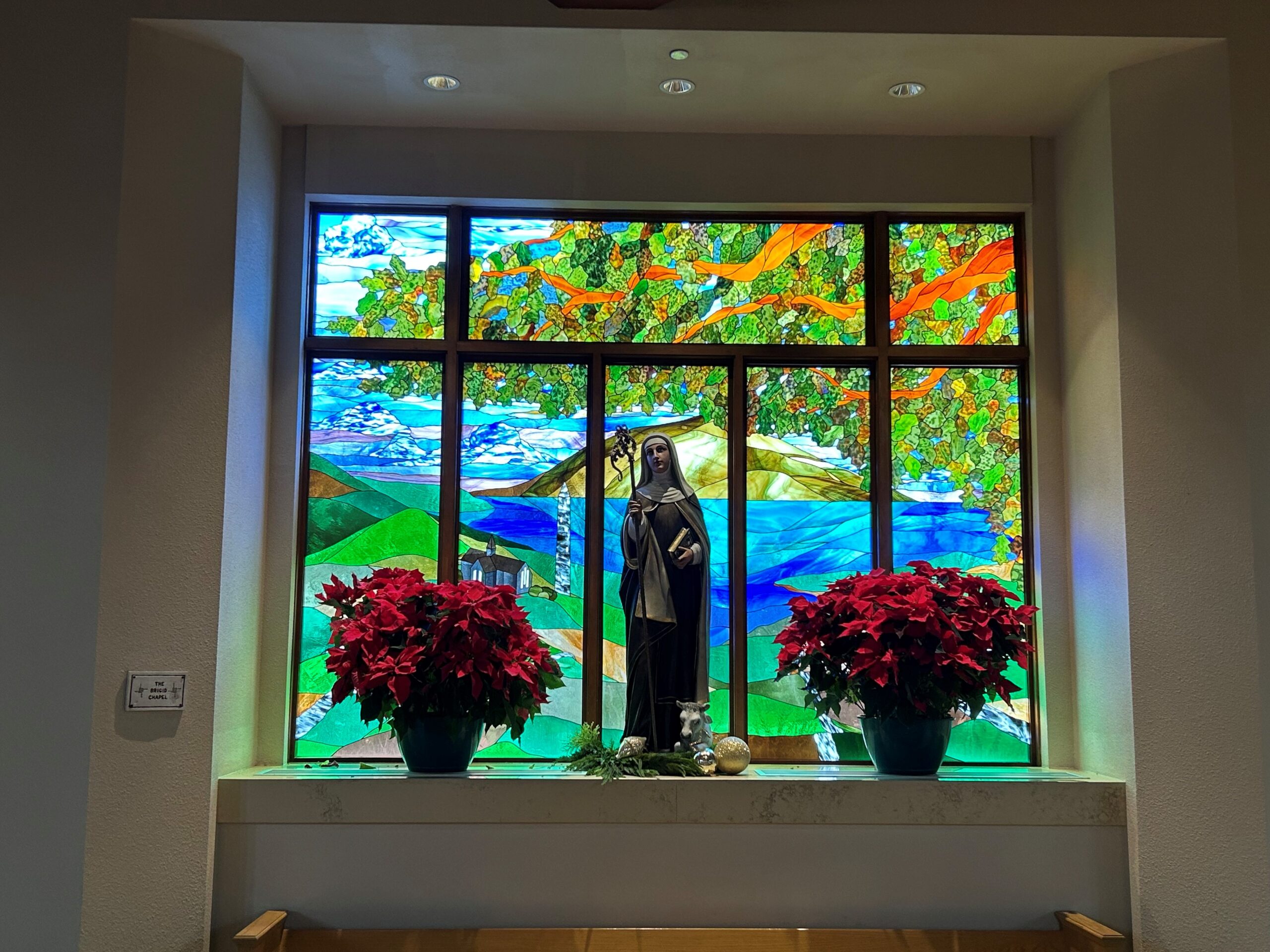
Marilyn Madigan’s Madigan Muses column highlights the influence of St. Brigid on modern Irish American culture, which includes Central Ohio’s biggest cultural imprint as well. St. Brigid’s of Kildare parish, founded in 1987, remains the only Catholic Parish within the city of Dublin, Ohio.
The first service at the parish occurred in the barn of what was then the Dublin Stables, with parishioners memorably using hay bales for pews. The modern parish is beautiful, filled with inspiring relics, and supports a thriving faith-based school for preschool students up to eighth grade. The Franklin County Ladies Ancient Order of Hibernians, Countess de Markievicz Division 1, also celebrates St. Brigid’s Day with an annual event and meal in Columbus.
Celtic Spirituality in Columbus
Outside of Catholicism, the other spiritual traditions brought from Ireland to the United States continue to thrive and grow. Dublin’s Episcopal Church is named in honor of St. Patrick, including a Shamrock in its crest, to celebrate both Patrick’s birth on the island next to Ireland, and all the Irish immigrants to America who were of Anglican or Episcopalian faith. There are also those who seek out the spirituality of our older Gaelic and Celtic ancestors.
At each year’s Dublin Irish Festival, beginning in 2002 with a single inter-denominational celebration, multiple faiths offer services to start the Sunday morning of the festival (including an Irish language Catholic Mass). Since 2010, the Three Cranes Grove celebrate Lughnassadh with a Druidic Service during the early August festival. Three Cranes Grove is a local member of Ár nDraíocht Féin, a global spiritual organization practicing Druidic and Nordic rites. Columbus’ group celebrates Lughnassadh as a Gaulic, continental European, festival, recognizing our modern knowledge of Druids starts with Caesar’s writings during his invasion of Gaul.
The exploration of what religions preceded Christianity in northern Europe is difficult because of a lack of a written record outside the Roman Empire. The recent Tides of History podcast “Runes: A Concise History,” with University College Cork professor Tom Birkett, which aired January 1, 2026, provides a great discussion on how to think about ancient, localized religions in Ireland and northern Europe based on the writings we do, and do not, have.
That podcast questions the recent explosion of magic and sorcery practices and interest, often celebrated with the names of Brigid or an Cailleach, the Irish word for a winter spirit often associated today with witches. A healthy debate and exploration of what our pre-Christian ancestors believed, rejecting the colonial characterizations offered by Norman and English invaders to justify their military conquests, is like that noble goal of Wolfe Tone and the United Irishman to create an independent Ireland which welcomes Catholic, Protestant, and Dissenter.
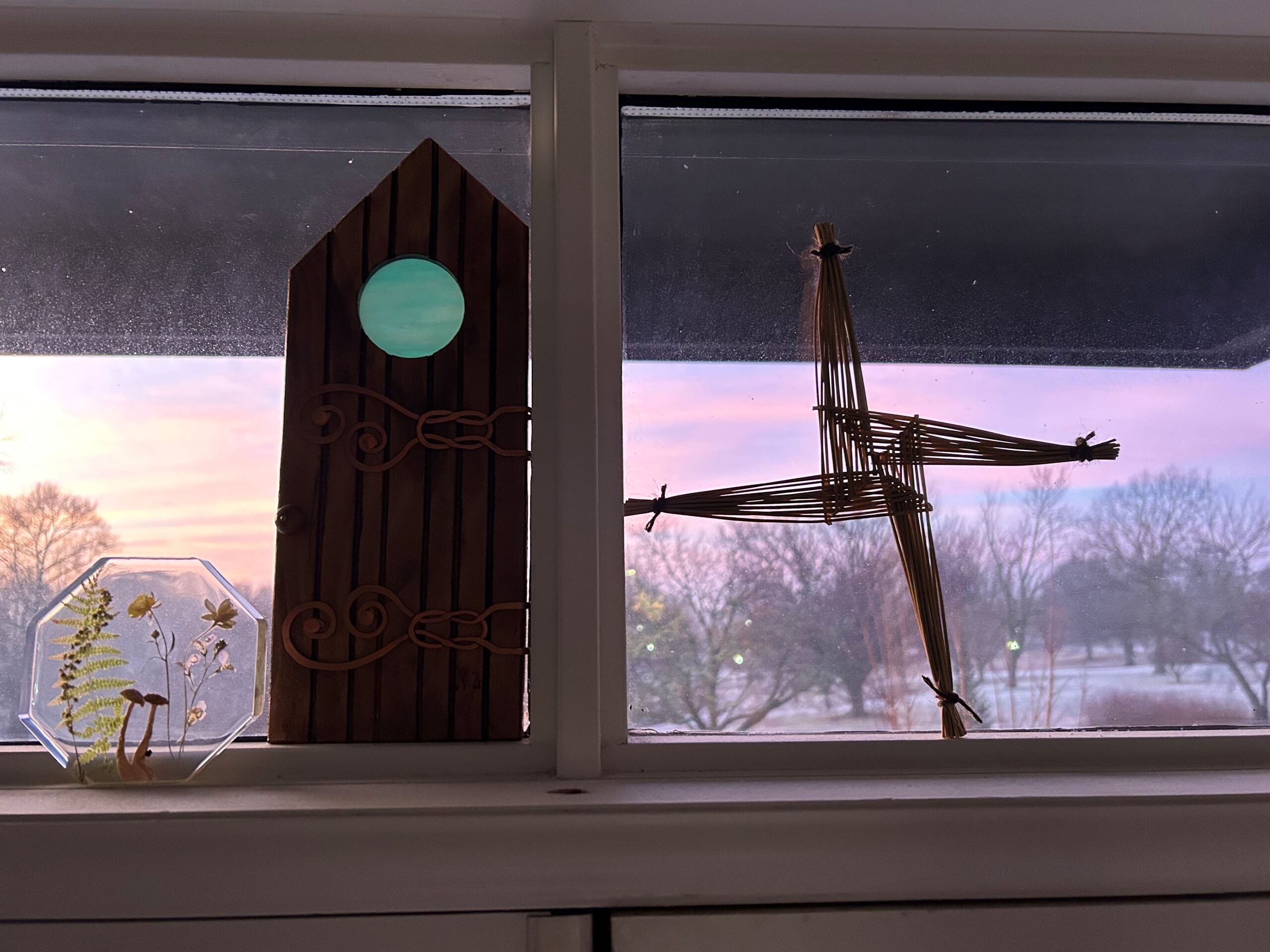
Recognizing all the spiritual history of our Irish ancestors is an important way to honor their memories, and modern Columbus has wonderful faith practices which use that history to benefit individuals, families, and the community today. The welcoming, loving spirit of the Irish is alive in our religious and spiritual institutions, and Lá Fhéile Bríde sona daoibh (happy St. Brigid’s day to you all)!